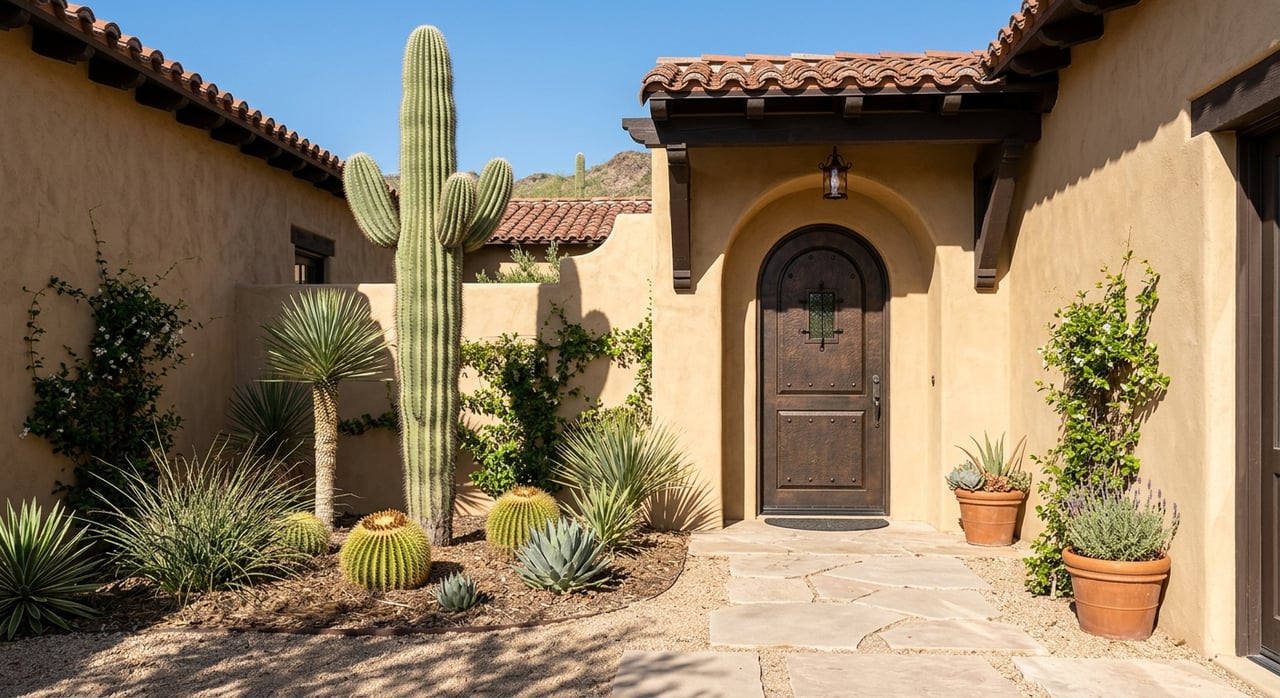
If you are thinking about buying a villa in Green Valley, it is easy to focus on the low-maintenance appeal first. That makes sense. Many buyers want an easier day-to-day routine, less exterior work, and a home that fits full-time or part-time living. The key is knowing that "villa" can mean very different things here, so a little homework up front can save you stress later. Let’s dive in.
Why Green Valley Villas Stand Out
Green Valley has a housing mix that is different from many other Southern Arizona communities. Recent Census QuickFacts show 22,616 residents, 80.5% age 65 and over, and an 86.2% owner-occupied housing rate. Pima County planning materials also identify age-restricted communities in Green Valley as a distinct neighborhood type.
For you as a buyer, that means villa living often lines up well with people looking to downsize, simplify upkeep, or split time between homes. It does not mean every villa is the same. It means the local market has several community models that support a more managed, lower-maintenance lifestyle.
What “Villa” Means in Green Valley
One of the most important things to know is that a villa in Green Valley is not one single property type. The word can describe different ownership and building styles depending on the community.
For example, Villas West is an age-restricted community founded in 1964 with 672 individually owned units in 189 buildings and 65 acres of common area. It is organized under the Arizona Condominium Act, which makes it a strong example of a condo-style villa community.
Las Campanas Village looks different. Its HOA describes 219 homes split between 114 attached duplexes and 105 detached homes. In that setting, a villa-style purchase may feel closer to a small single-family or paired-home experience.
Quail Creek adds another variation. Its villa sections are described as “Lock & Leave” living, with a separate villa HOA fee that covers certain exterior and maintenance items while owners still keep access to larger community amenities.
Why Buyers Choose a Villa
The biggest draw is usually convenience. In several Green Valley communities, HOA coverage may include items such as exterior painting, roofing, landscaping, irrigation, waste and recycle service, street maintenance, common-area upkeep, and sometimes hazard insurance or cable.
That can be a major benefit if you want less yard work or fewer exterior chores on your list. It can also be helpful if you plan to live in Green Valley only part of the year and want a home that is easier to step away from.
Some buyers also like the predictability. Instead of handling every exterior issue on your own, you may be sharing costs and responsibilities through the HOA structure.
The Tradeoff: Less Work, More Rules
That convenience comes with a tradeoff. In most villa communities, you are not buying the same level of exterior control you might have with a traditional single-family home.
At Villas West, for example, an Architectural Alteration Application is required for certain changes. Its published specifications list rules or approvals for projects such as sheds, porch re-roofing, golf cart parking, satellite dishes, window replacement, solar hot-water panels, patio irrigation, and door or glass changes.
Arizona’s buyer checklist also warns that CC&Rs may restrict items like landscaping, RV parking, play equipment, and satellite antennas. So before you fall in love with a property, make sure the community rules match how you actually want to live.
Check Whether the Community Is Age-Restricted
This is one of the first questions to ask in Green Valley. Some villa communities are age-restricted, and that can directly affect whether a home fits your needs.
Villas West is age-restricted, and Pima County identifies age-restricted communities as a recognized housing type in Green Valley. That does not mean all villa communities have the same requirements, so you should confirm the status of any property you are considering.
This step is especially important if you are buying for year-round living, purchasing with another household member, or planning long-term use that may involve changing needs over time.
Review HOA Fees Carefully
Do not assume one community’s HOA fee works like another’s. In Green Valley, villa fee coverage can vary quite a bit.
Las Campanas Village says its monthly fee includes exterior painting, roofing, irrigation, landscaping, waste and recycle service, street maintenance, common-area maintenance, and extended basic cable. Quail Creek’s villa HOA fee covers hazard insurance, exterior paint, roof and window-glass maintenance, front and back landscaping, and common-area maintenance, while owners remain responsible for property taxes and personal insurance.
That difference matters. A fee that looks higher at first glance may cover more, while a lower fee may leave you with more direct expenses.
When reviewing a property, ask for clear answers on:
- How many HOAs apply to the property
- The monthly fee for each HOA
- What each fee includes
- Whether hazard insurance is included
- Which exterior items remain your responsibility
- Whether cable, trash, or street maintenance are included
Understand How Many Associations Apply
Some villa properties may have one HOA, while others may involve two layers of association structure. This is common in planned communities where a villa section has its own HOA in addition to a master association.
That is why it is important to confirm not just the total monthly cost, but also who handles what. One association may cover a shared neighborhood exterior, while another may maintain larger amenities or common spaces.
If you skip this step, it is easy to misunderstand your real monthly cost and your true maintenance obligations.
Read the Resale Disclosure Package
Arizona law gives you important information when buying into an HOA. For resale properties, the disclosure materials must include the bylaws and rules, the declaration, assessment amounts, insurance coverage, reserves, the current operating budget, the most recent annual financial report, the most recent reserve study if there is one, and a summary of pending lawsuits.
This packet is not just paperwork. It is one of the best tools you have for understanding the community’s financial health and operating style.
Arizona law also caps resale disclosure and related transfer fees at an aggregate of $400, with limited rush and update fees. That helps you understand what to expect as part of the transaction process.
Pay Attention to Rules vs. Governing Documents
Not every rule in a community is changed the same way. That matters because some restrictions are harder to change than others.
At Villas West, the governing documents state that CC&Rs and bylaws can be changed only by a membership vote, while rules and regulations can be changed by a majority of board members. For you, that means the core restrictions may be more stable, while day-to-day operating rules may be more flexible over time.
This is a smart point to discuss before you buy. If you care strongly about parking, exterior updates, or use restrictions, you want to know whether those items live in the deeper governing documents or in board-level rules.
If the Villa Is New, Ask for the Public Report
If you are buying in a newer phase or looking at new construction, Arizona has a separate consumer protection step. The Arizona Department of Real Estate says the Public Report must be provided before the purchase contract is signed.
You should read that report carefully and review the CC&Rs as well. This is especially important when a community is still being built out or when features, obligations, and timelines may differ from an older resale property.
Compare a Villa to a Traditional Home
If you are deciding between a villa and a traditional single-family home in Green Valley, the core question is simple: do you want more convenience, or more autonomy?
A villa often means easier upkeep, shared amenities, and a more managed exterior environment. In return, you usually take on HOA dues, document review, and limits on certain changes.
A traditional single-family home may give you more control, but it can also mean more direct responsibility for maintenance, landscaping, and exterior repairs. Neither option is automatically better. The right fit depends on how you want to live.
A Smart Buying Checklist
Before you buy a villa in Green Valley, make sure you can clearly answer these questions:
- Is the community age-restricted?
- Is the property condo-style, attached, or detached?
- How many HOAs apply?
- What does each monthly fee cover?
- Is hazard insurance included?
- What exterior maintenance is handled by the HOA?
- What exterior changes need approval?
- Are the reserves, budget, and financial reports solid?
- Are there any pending lawsuits in the disclosure packet?
- If it is new construction, have you reviewed the Public Report and CC&Rs?
Taking the time to review these details can help you avoid surprises and buy with confidence.
Buying a villa in Green Valley can be a great move if you want a simpler lifestyle and understand how the community operates. The most successful buyers look past the word “villa” and focus on the real details: ownership structure, HOA coverage, rules, and long-term fit. If you want help comparing communities, reviewing options, or finding the right low-maintenance home in Green Valley, reach out to Iris Pasos.
FAQs
What should you review before buying a villa in Green Valley?
- Review the HOA resale disclosure package, including the bylaws, rules, declaration, assessment amounts, insurance coverage, reserves, current budget, annual financial report, reserve study if available, and any summary of pending lawsuits.
What does a villa mean in Green Valley real estate?
- In Green Valley, a villa can mean a condo-style unit, an attached duplex-style home, or a detached home, depending on the community.
Are Green Valley villa communities age-restricted?
- Some are. Villas West is age-restricted, and Pima County identifies age-restricted communities as a distinct Green Valley housing type, so you should confirm the status of each community you consider.
What do Green Valley villa HOA fees usually cover?
- Coverage varies by community and may include items like exterior painting, roofing, landscaping, irrigation, waste and recycle service, street maintenance, common-area maintenance, hazard insurance, or cable.
Can you make exterior changes to a villa in Green Valley?
- Usually not without checking the rules first. Some communities require approval for certain exterior changes, and restrictions may apply to items like windows, doors, patios, parking, landscaping, or satellite dishes.
What is important to know about new construction villas in Arizona?
- If the villa is new construction, the Arizona Department of Real Estate says the Public Report must be provided before you sign the purchase contract, and you should review it carefully along with the CC&Rs.