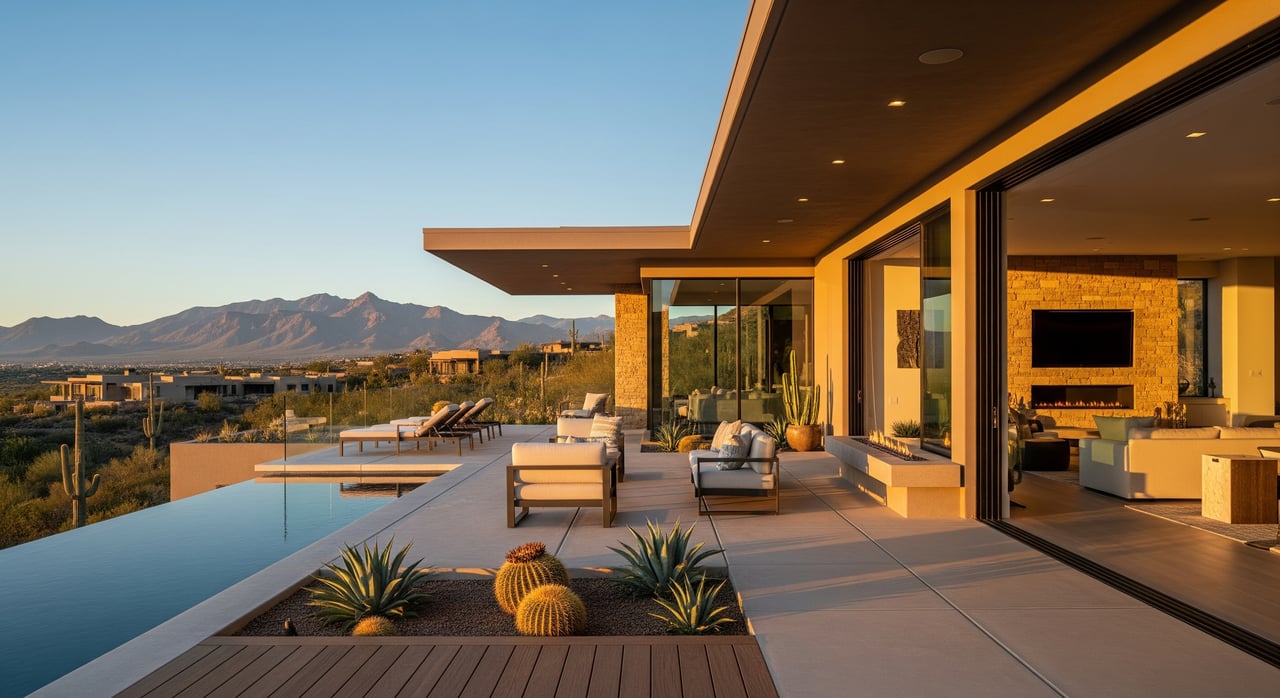
Imagine waking up to the Santa Catalinas glowing pink or watching the Tucson city lights flicker on at sunset. In 85750, those moments are why many buyers prioritize a view. You want the scenery without surprises, from scorching afternoon sun to slope or drainage issues. This guide gives you a clear plan for buying a view home in the Catalina Foothills zip, so you can enjoy the panorama and protect your investment. Let’s dive in.
Why views in 85750 matter
85750 sits in the Tucson region of Pima County, where mountain and city vistas are a major value driver. You’ll see demand for homes with sightlines to the Santa Catalina Mountains, the Tucson basin and skyline, and wide desert panoramas. The desert climate is hot and dry, and summer monsoon storms bring intense, fast runoff. That makes lot orientation and drainage design critical on view properties, especially in hillside subdivisions and custom-home areas with HOAs and CC&Rs.
Local agencies and resources can help you verify rules and risks, including Pima County Planning and Development Services, the Pima County Regional Flood Control District, FEMA flood maps, the Arizona Geological Survey, and the University of Arizona Cooperative Extension. If a home sits inside a municipal boundary, confirm that city’s planning rules as well.
Orientation and solar balance
What each orientation means
- East-facing views: You get morning sun and cooler afternoons. This can be comfortable in summer, with beautiful sunrise and mountain detail.
- South-facing views: Consistent daylight all year. Winter solar gain can be a plus, but midday sun is strong.
- West-facing views: Dramatic sunsets and evening city lights, with the most intense afternoon heat and potential glare. Cooling loads rise in summer.
- North-facing views: Stable, indirect light during the day that can reduce heat and glare, depending on the sightline.
View permanence and how to assess it
A great view today may change tomorrow. Permanence depends on zoning, adjacent ownership and build envelopes, approved but undeveloped lots, and vegetation.
To gauge permanence, you can:
- Review zoning and general plan designations for neighboring parcels.
- Check buildable envelopes and lot coverage rules nearby.
- Ask for topographic maps, sight-line diagrams, or a view-shed analysis from a surveyor.
- Search for recent and pending grading or building permits on adjacent parcels.
Comfort vs. view tradeoffs
A west or southwest panorama can boost resale appeal but increases afternoon heat. Plan ahead for comfort and efficiency:
- Shading: Add deep overhangs, pergolas, or adjustable exterior shades.
- Glazing: Consider low-E or spectrally selective glass to limit heat and glare.
- Landscape: Use native, water-wise plants to create shade in the right places.
How views affect price
Premiums and comps
View lots often command a premium. The amount varies by market conditions, the quality and uniqueness of the view, and orientation. In many markets, premiums range from modest to substantial, sometimes tens of percent. For a true baseline, compare recent closed sales of similar homes with and without comparable views within the same micro-area and age range. Adjust for lot size, usable yard, and improvements.
What increases or decreases a premium
- Increase:
- Unobstructed, panoramic mountain or city views with strong permanence.
- Elevated siting with privacy from neighbors.
- Orientation that captures sunsets or night skyline and still manages heat.
- Low risk of future view loss based on zoning and topography.
- Decrease:
- Views likely to be blocked by future construction or tall landscaping.
- Steep or unstable slopes, difficult access, or high maintenance needs.
- Orientation that drives up cooling costs without viable mitigation.
- HOA or local limits that restrict screening or landscape solutions.
Negotiation levers that help you
- Ask for comps of both view and non-view properties.
- Request seller disclosures about permits or known plans on adjacent parcels.
- Use contingencies. Consider a view-preservation clause or a geotechnical or graded-site contingency.
- Price in mitigation costs for glazing, shading, landscaping, cooling, or solar.
Hillside rules and permits in 85750
Confirm jurisdiction and records
Start by confirming if the property is under Pima County or a municipality. Then request:
- Grading permit history and final inspections.
- Any hillside development plan or slope restrictions.
- Records for retaining walls, drainage improvements, and erosion control.
What hillside controls can mean for you
Local codes often regulate construction and grading on steeper slopes to reduce erosion and preserve natural features. This can include:
- Limits on cut and fill and the total disturbed area.
- Extra permitting for steeper gradients.
- Requirements for engineered retaining walls, drainage, revegetation, and erosion control.
In practice, this may limit the buildable envelope, reduce flat yard space, and add permitting steps for future remodeling, pools, or landscape projects. Retaining walls or slope stabilization can be costly, so verify permits and engineering.
Protected vegetation and site features
Sonoran Desert plants, such as saguaros, are often protected. Removal or relocation may need permits or mitigation. Some areas may have cultural or archaeological sensitivity that triggers extra review if the site is disturbed. Check rules before planning changes.
Glare, privacy, and livability
Managing glare
Glare can come from low sun angles, reflective neighbor materials, and mirrored windows. Useful mitigation tools include:
- Recessed windows, deep overhangs, and awnings.
- Low-E or spectrally selective glazing and strategic tinting that preserves clarity.
- Thoughtful landscaping with native shade trees and shrubs.
- Adjustable exterior screens or shade devices for patios and decks.
Protecting privacy on a view lot
Elevation can help or hurt privacy. You can:
- Use strategic landscaping and terracing with native, low-water plants.
- Add privacy walls or fences where allowed. Confirm setback and permit rules.
- Position windows carefully or use translucent glass in sensitive rooms.
- Budget for engineered design if walls or berms affect slopes.
Check HOA and CC&Rs early
CC&Rs may regulate fences, wall heights, exterior colors, window film, and landscape height. These rules affect how you manage glare and privacy. Get and review the documents upfront.
Inspections and experts to hire
Documents and records to request
- Current lot survey and as-built site plan with easements and setbacks.
- Grading permits and final inspections.
- Retaining wall engineering plans and inspection records.
- Any drainage or stormwater plan, including neighbor-built swales or berms.
- CC&Rs and HOA architectural guidelines.
- Any geotechnical or soils reports.
Recommended professionals
- General home inspector.
- Geotechnical or soils engineer for slopes or unusual grading and retaining walls.
- Civil engineer for steep driveways and drainage, and for planned additions like pools.
- Structural engineer for significant retaining walls, exposed foundations, or cracks.
- Landscape or drainage specialist to assess runoff patterns and arroyo or culvert conditions.
- Solar or window specialist for glazing and comfort evaluations if you are sensitive to heat or glare.
What to look for on hillside and view homes
- Signs of slope instability, including ground cracks, recent slides, tilted vegetation, or patched or displaced walls.
- Retaining wall type and condition, evidence of movement, and presence of drainage weep holes and subdrains.
- Drainage problems, such as stains on foundation walls, grading that sends water toward the home, clogged channels, or ad hoc berms.
- Erosion channels or scouring from monsoon runoff.
- Roof drainage, gutters, downspouts, and scuppers that move water away from the foundation, plus positive lot drainage.
- Access concerns, like steep driveways or switchbacks, and emergency egress during extreme weather. Check local fire department access rules and defensible space.
- Utilities and easements that could change grading or require access across the lot.
Insurance and upkeep
Check insurance availability and the cost of any slope-related coverage. Expect higher ongoing maintenance for hillside features, such as retaining walls, erosion control, drainage upkeep, and specialized landscaping.
Quick buyer checklist
Use this checklist to stay organized as you shop in 85750:
Before you tour:
- Confirm jurisdiction and pull zoning and parcel maps.
- Check FEMA and county flood-control maps.
- Request the survey, as-built, and any geotechnical or graded-site reports.
- Review recorded easements and CC&Rs.
- Ask about recent permits on adjacent lots.
During due diligence:
- Order a geotechnical review if slopes or unusual grading are present.
- Have an inspector or engineer evaluate retaining walls, drainage, and foundations.
- Study orientation for sun, afternoon heat, sunset views, and privacy.
- Confirm HOA limits on screening, walls, and exterior modifications.
- Negotiate a view-preservation contingency or price for planned mitigation.
After closing:
- Plan for glazing upgrades, shading, landscape screening, and drainage improvements if needed.
- Budget for hillside maintenance, including periodic inspections of walls and channels.
Your next step
Buying a view home in 85750 is about balancing scenery with smart due diligence. When you confirm orientation, check for view permanence, and verify grading, drainage, and retaining walls, you set yourself up for comfort and long-term value. If you want a steady guide from search to closing, reach out to Iris Pasos for local insight and attentive buyer representation.
FAQs
What does west-facing mean for a 85750 view home?
- West-facing views deliver sunsets and city lights, but they also bring strong afternoon heat and potential glare, so plan for shading and upgraded glazing.
How can I tell if my 85750 view is permanent?
- Review zoning on neighboring parcels, check build envelopes and pending permits, and consider a surveyor’s view-shed analysis to assess future obstruction risks.
Are hillside permits required for Catalina Foothills homes?
- Many hillside sites require grading permits, engineered retaining walls, and erosion control; confirm jurisdiction and request permit histories before you buy.
What inspections are critical for a 85750 hillside property?
- In addition to a general inspection, hire a geotechnical or soils engineer, and consider civil or structural reviews for drainage, driveways, and retaining walls.
How do HOAs affect privacy and glare solutions in 85750?
- CC&Rs often regulate fences, wall heights, window film, and landscape height, so review HOA guidelines early to ensure your planned solutions are allowed.