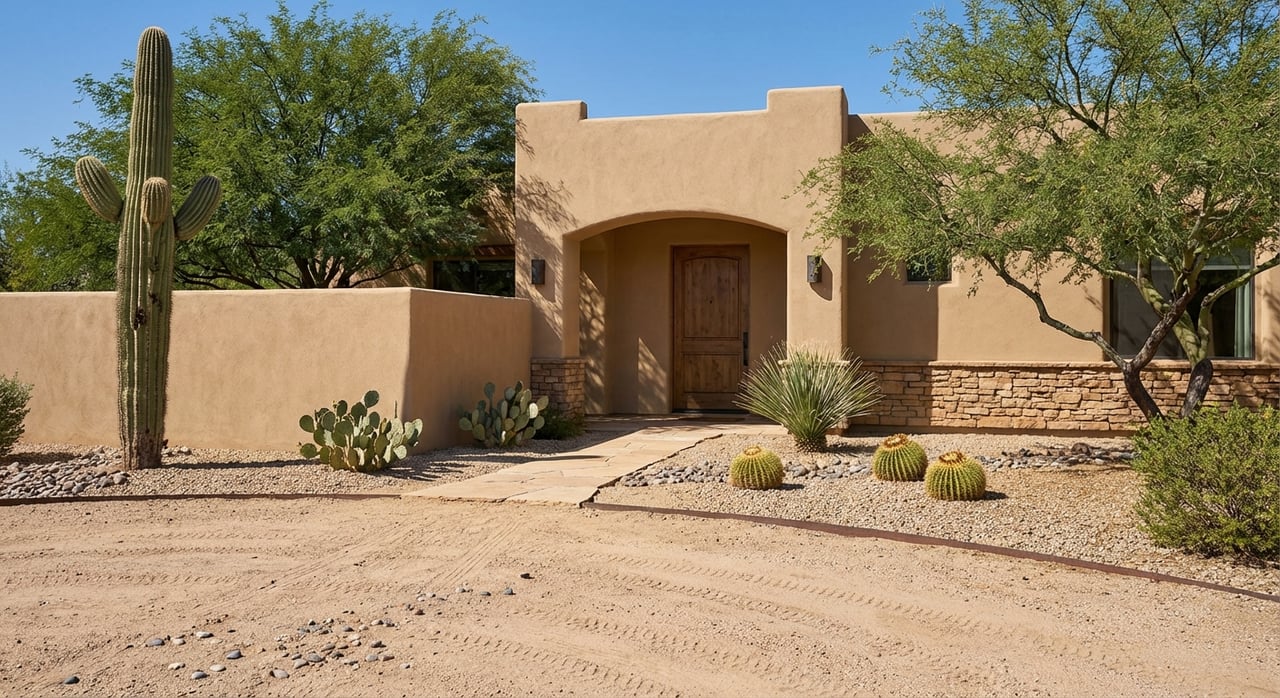
You picture quiet mornings with mountain silhouettes, saguaro sentinels, and brilliant stars at night. If 85745 on Tucson’s west side is on your list, you likely want space, views, and easy trail access without losing everyday convenience. In this guide, you will learn what desert living looks like here, from homes and lot types to wildlife, utilities, and must‑know due diligence. You will also find practical tips to help you decide if this lifestyle fits your routines. Let’s dive in.
85745 at a glance
Where it sits
ZIP 85745 covers a wide stretch of west Tucson that includes suburban neighborhoods and foothill parcels near the Tucson Mountains and Saguaro National Park West. ZIP boundaries are postal, not the same as city limits, so parts of 85745 are inside the City of Tucson while others are in unincorporated Pima County. That difference can affect services and permitting. Use county parcel tools to confirm the local jurisdiction for any property.
Commute and daily access
If you are balancing desert living with work or school, the commute is a helpful benchmark. The typical one‑way commute time for 85745 residents is about 23 minutes, similar to the Tucson metro average, according to Census Reporter’s ZIP profile. Many neighborhoods have quick access to Speedway, Anklam, Silverbell, and Gates Pass roads that connect you to shopping, the university area, and medical services. Expect narrower winding segments as you move closer to mountain viewpoints.
Housing and lots today
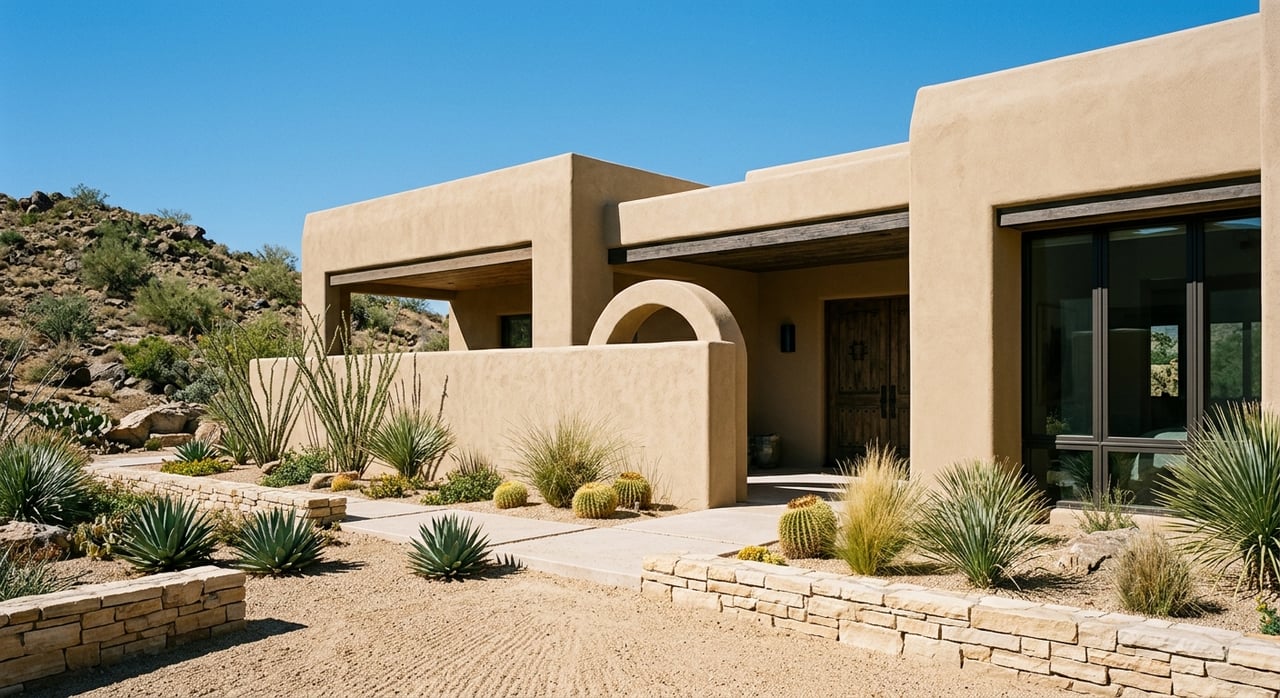
You will find a mix of small‑lot subdivisions, townhomes and condos, and many single‑family homes on larger parcels. Foothill and mountain‑edge areas like Starr Pass and Tucson Mountain slopes often sit on lots near an acre or more. As of early 2026, public snapshots suggest median home values in the mid‑$300Ks, with datasets ranging roughly from the mid‑$300Ks to mid‑$400Ks depending on source and date. For current pricing and lot‑size specifics, plan to review active listings and recent sales with a local expert.
Desert landscape and views
Sonoran setting
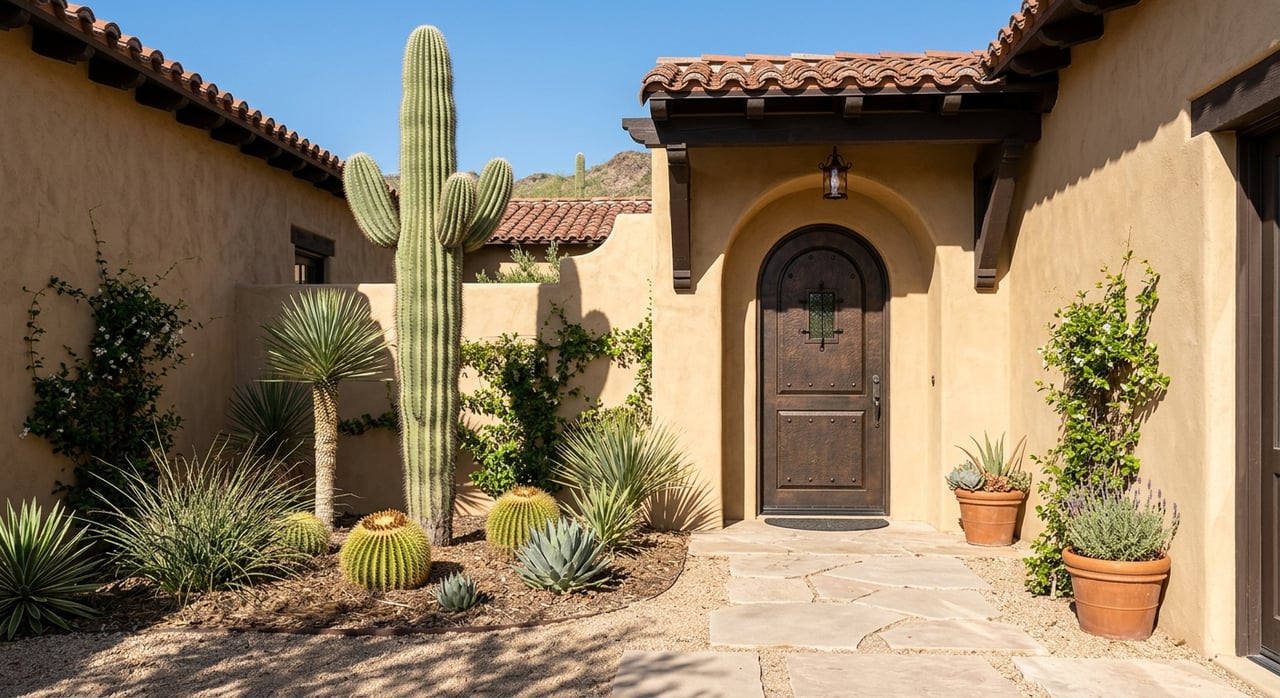
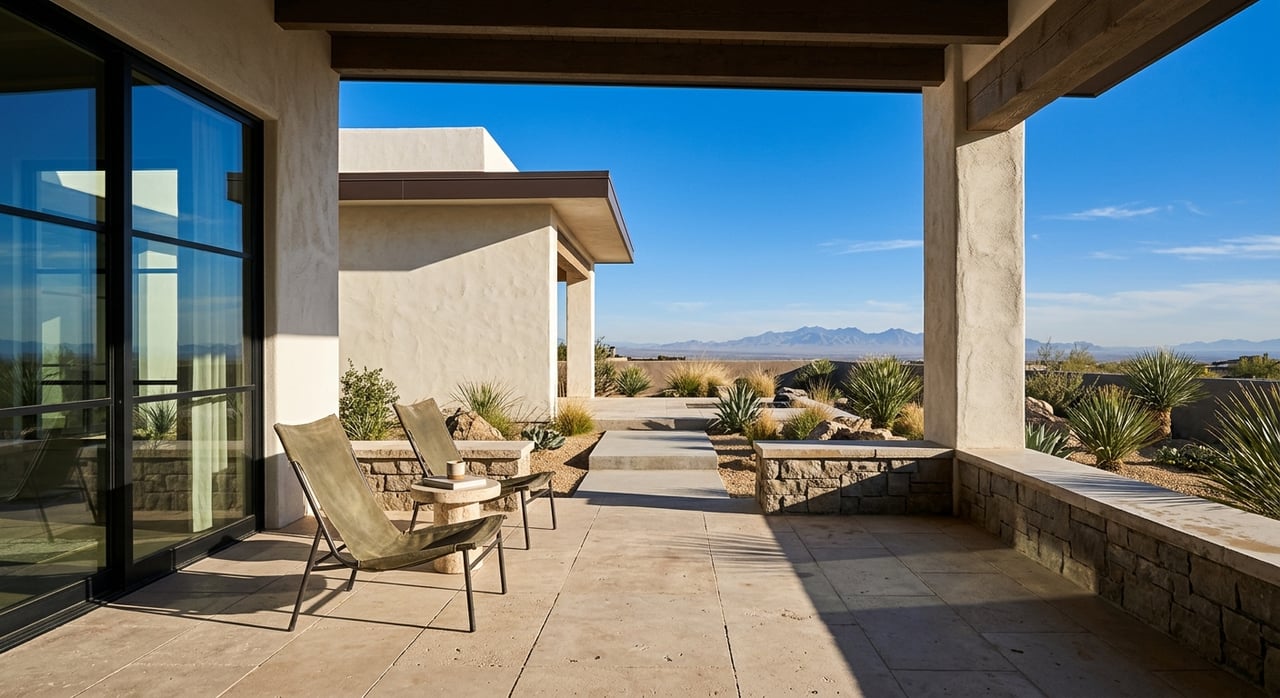
85745 sits in the heart of the Sonoran Desert, so you will see saguaros, palo verde, mesquite, creosote, cholla, and ocotillo shaping the landscape. Many homes frame long views of the Tucson Mountains, with sightlines to the Tortolita and Catalina ranges depending on orientation. The Arizona‑Sonora Desert Museum nearby offers an excellent introduction to the plants and wildlife you will encounter around your home.
Night skies
A major perk here is the evening sky. Nearby Saguaro National Park West earned an International Dark‑Sky Urban Night Sky Place designation in 2023, reflecting local dark‑sky practices that help keep stars visible even near the city. Read more in the National Park Service announcement. Expect better stargazing from open‑lot properties away from brighter commercial corridors.
Wildlife you will notice
Common west‑side wildlife includes coyotes, javelina, roadrunners, raptors, desert cottontails, ground squirrels, and occasionally rattlesnakes. The county highlights these species on its Watchable Wildlife page. Coexistence is straightforward when you follow a few habits: secure trash and pet food, supervise small pets at night, avoid feeding wildlife, and stay alert near washes and thick brush. Wear closed‑toe shoes outside in the dark and learn to recognize tracks so you know who visits your yard.
Parks and trails nearby
Tucson Mountain Park
Tucson Mountain Park borders many 85745 neighborhoods and offers dozens of non‑motorized trails and multiple trailheads for hiking, biking, and equestrian use. Well‑known access points include Gates Pass and routes like Yetman Trail and the Bajada Loop. You can explore current maps and guidelines on the Pima County Tucson Mountain Park page. For casual outings, look for shorter paved or graded paths in county parks like Feliz Paseos.
Saguaro West and the Desert Museum
Saguaro National Park’s west district sits just beyond Tucson Mountain Park and offers scenic drives and interpretive programs. The Arizona‑Sonora Desert Museum is close by and pairs living exhibits with trails that introduce the region’s plants and animals. Plan outdoor time around heat and monsoon season, carry water, use sun protection, and check dog policies, since some trails do not allow pets.
Utilities and access to verify
Sewer vs. septic
Many west‑side parcels, especially on larger lots outside municipal sewer service, use onsite wastewater systems. In Pima County, a Transfer of Property septic inspection is required within six months of sale, and the process has defined steps and forms. You can review instructions on the county’s Transfer of Property Septic Inspection page. Ask the listing agent whether a home is on sewer or septic, and if septic, request the Report of Inspection and permit history.
Water providers and wells
Inside City of Tucson limits, service is typically provided by Tucson Water. Elsewhere in 85745, service may come from other districts or a private well, and those boundaries do not follow ZIP lines. Verify the provider for each parcel and ask about water taste, pressure, and any conservation or irrigation guidelines.
Road type and maintenance
Road conditions vary from paved, city‑maintained streets to county‑maintained or private dirt and gravel roads. Dirt segments can be dusty and may require higher‑clearance vehicles in wet weather. Confirm the road surface and maintenance responsibility for your specific access route, including any private road or driveway agreements.
Permits, insurance and logistics
Septic systems, wells, unpaved access, and remoteness can influence insurance, loan conditions, and contractor logistics. Before closing or starting projects, check county permit history for the parcel and ask about any open permits, floodplain overlays, or required environmental reviews. Planning early can prevent surprises in underwriting or construction.
Firewise basics and invasive grass
The Sonoran Desert is not naturally fire‑adapted, but invasive grasses, especially buffelgrass, increase fuel loads and wildfire risk. Many neighborhoods and local groups run removal and mitigation efforts. The University of Arizona Cooperative Extension shares updates and volunteer programs in Pima County on its invasive species program page. Choosing Firewise landscaping and tackling invasive plants around your property can protect both views and native cactus.
Buyer due‑diligence checklist
Use this quick list to structure your research. Your agent can help you verify each item and coordinate records.
- City or county jurisdiction: Confirm whether the property lies inside City of Tucson limits or unincorporated Pima County using PimaMaps parcel tools. Services and permitting can differ.
- Water provider: Identify the utility that serves the parcel. Start with Tucson Water for addresses within city limits and review the county’s Water Provider Service Areas metadata for broader coverage.
- Sewer or septic: If septic, request the Report of Inspection and follow the county’s Transfer of Property septic steps.
- Road access: Confirm road surface and who maintains it. PimaMaps shows maintenance authority and surface details for many parcels.
- Floodplain and washes: Use parcel overlays to check floodplain, drainage, and wash easements, which can affect insurance and building plans.
- Lot details and view corridors: Review the subdivision plat, assessor notes, and the county’s Parcel GIS Overlay Details for setbacks, building envelopes, and any HOA rules.
- Invasive grass and mitigation: Check for buffelgrass presence and local removal programs through the UA Extension invasive species program.
Is 85745 right for you?
If you want cacti out your window, wide mountain views, and quick access to trailheads, 85745 delivers. You trade some suburban conveniences for desert texture, like occasional dirt roads, wildlife visitors, and the possibility of a septic system. With the right due diligence on utilities, roads, and vegetation, you can enjoy the best of both worlds. A knowledgeable local guide can help you target the micro‑areas that match your commute, budget, and daily routine.
Ready to explore homes that fit your lifestyle or talk through a sale in 85745? Connect with Iris Pasos for neighborhood insights, on‑the‑ground guidance, and a clear plan. Get a free home valuation or start your home search.
FAQs
What is the commute like from 85745 to central Tucson?
- The typical one‑way commute is about 23 minutes for 85745 residents, close to the metro average, according to Census Reporter.
Are there many homes on septic in 85745?
- Yes, especially on larger or lower‑density lots outside sewer boundaries; budget time and cost for the required county transfer inspection and any needed maintenance.
Which parks and trails are nearest to 85745?
- Tucson Mountain Park is next door for hiking and biking, with well‑known access at Gates Pass and routes like Yetman Trail and Bajada Loop; Saguaro National Park West is also close.
How dark are the night skies in west Tucson?
- Saguaro National Park West holds an International Dark‑Sky Urban Night Sky Place designation, so many west‑side homes enjoy better stargazing than inner‑city areas.
What wildlife should I expect around my home in 85745?
- Expect sightings of coyotes, javelina, roadrunners, raptors, and small mammals; follow simple coexistence steps like securing trash and supervising pets at night.