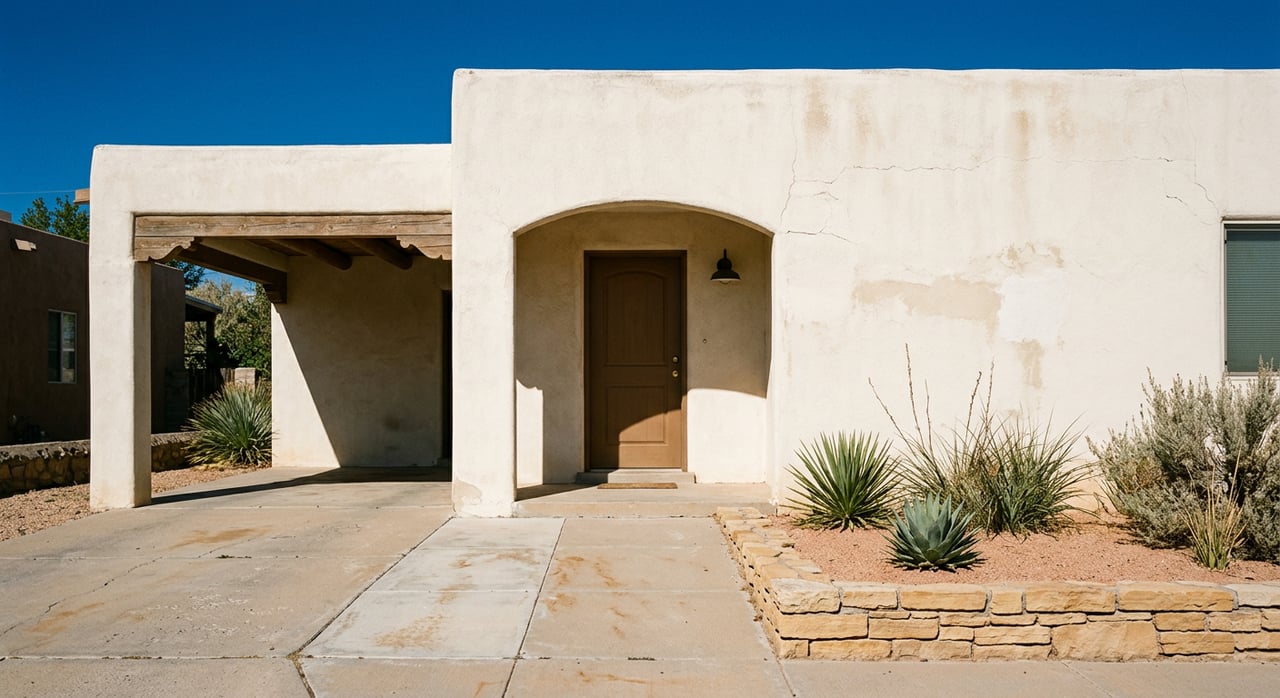
Buying your first home in 85716 can feel exciting and a little overwhelming. Central Tucson offers charm, location, and a wide range of prices, but it also brings older homes, varied HOAs, and a few desert-specific inspection steps you do not want to miss. In this guide, you will get clear price anchors, a neighborhood snapshot, what to watch for in inspections, how HOAs work in Arizona, and where to find down payment help. Let’s dive in.
Central Tucson 85716 market at a glance
Recent market snapshots for 85716 show typical home values in the low to mid $300,000s with active inventory in the low hundreds. Median listing prices have hovered near the mid $300,000s, and median days on market have often stretched to about two months. Numbers vary a bit by source and month, which is normal when different portals use different time frames.
What this means for your budget
- Entry-level options: Many buyers find condos or smaller single-family homes under about $250,000 to $300,000 in parts of the ZIP.
- Common starter range: Updated bungalows and intact 2 to 3 bedroom homes often land around $300,000 to $380,000, with renovated historic homes pushing higher.
- Closing costs: Plan for about 2 to 5 percent of the purchase price in typical buyer closing costs and prepaids. You can review common ranges and assistance options in statewide roundups of Arizona first-time buyer programs from trusted financial publications such as Bankrate’s Arizona first-time buyer guide.
Where you will find value in 85716
Central Tucson’s 85716 has a little of everything. You will see classic bungalows, small multiunit pockets, townhomes, and condos, often on tree-lined streets close to cafes, parks, and the University of Arizona.
Housing age and structure mix
Expect many homes built between the 1950s and 1970s, with very little recent new construction. That age profile is typical for central Tucson and means you should budget for systems that may be near the end of their useful life. Local housing data confirms a mix of single-family homes and multiunit buildings, which explains why some blocks feel more residential while certain corridors have denser, more affordable options.
Neighborhood notes buyers ask about
- Sam Hughes: Historic architecture near the university with higher typical values for restored homes.
- Blenman–Elm: Tree-lined streets and character homes, with pricing that reflects condition and location.
- Garden District, Miramonte, Palo Verde: More varied price points and home sizes, including compact bungalows and pockets of condos or rentals.
Prices and property types can shift within a few blocks. Walk the area at different times of day and review recent sales with your agent to fine-tune your offer strategy.
HOA and legal checkpoints to know
If you are considering a condo or a home in a planned community, review HOA items early. Arizona law requires specific disclosures for planned communities and condominiums. The statute that governs planned communities, A.R.S. §33-1806, sets timelines for providing governing documents and caps the association’s resale disclosure or lien-estoppel document fees at an aggregate of $400. Always read the packet before you remove contingencies.
You should also expect the standard Arizona disclosures. Sellers commonly deliver the Arizona Association of REALTORS Seller’s Property Disclosure Statement, and the state explains general buyer disclosure rights on the Arizona Department of Real Estate consumer page. Use these documents to shape your inspection scope.
HOA packet checklist
Ask for and review:
- CC&Rs, bylaws, rules, and architectural guidelines
- Most recent operating budget and reserve statements
- Recent meeting minutes and any pending special assessments
- Insurance coverages and what is included in dues
- Transfer, disclosure, or reserve contribution fees collected at closing
If you want a deeper view of how reserves and disclosure practices affect risk and loans, industry resources summarize Arizona reserve and disclosure considerations for buyers and lenders. Clarify coverage and fees because they can change your monthly budget.
HOA fee expectations
- Planned communities with lighter amenities often charge from the tens into the low hundreds per month.
- Condo communities with pools, exterior insurance, and grounds can run higher, sometimes several hundred per month.
- Confirm what dues include, such as water, trash, roof, or exterior insurance. Coverage changes your carrying costs.
Inspections that matter in 85716
Older homes are common in central Tucson, so focused inspections are key. A standard home inspection is the baseline, but the desert adds a few special priorities.
Foundations and soils
Southern Arizona soils can include caliche and expansive clay layers. These can lead to slab movement, uneven settlement, or heave, and they can make excavation expensive. Have your inspector review grading, slab cracks, and door or window alignment, and bring in a structural engineer if the general inspection raises flags. The University of Arizona offers helpful background on local soils behavior in its caliche and soil guidance.
Roofs and drainage in monsoon season
Tile and asphalt roofs can mask underlayment or flashing issues. Monsoon storms test every weak point, especially where drainage is poor. If your inspector notes anything on the roof, add a quick roofer evaluation. Regional engineering guides highlight common Arizona roof and drainage issues that show up during inspections, and you can review examples of these focus areas in Arizona-specific inspection resources like Schembri Engineers’ inspection guidance.
Cooling and HVAC
Some older homes rely on evaporative coolers, have older AC units, or have leaky ducts. Cooling is a major cost driver in Tucson. Confirm the AC age, service history, and duct condition, and get an HVAC specialist to evaluate if the system looks dated or underperforming. Local engineering resources emphasize AC performance and capacity checks during inspections, which can help you plan for near-term upgrades.
Pests and wood-destroying insects
Tucson buyers routinely order a termite or WDO inspection. The Arizona bark scorpion is also present in low desert urban areas, which makes pest-proofing worth discussing during negotiations. The University of Arizona Cooperative Extension shares clear steps on sealing entry points and safe control methods in its scorpion IPM guide.
Lead-based paint and older materials
If the home was built before 1978, federal law requires a lead hazard disclosure and delivery of the EPA-HUD pamphlet. Review the EPA’s booklet, Protect Your Family From Lead in Your Home, and consider testing if you plan to renovate or if a household member is sensitive. Asbestos-containing materials can also be present in some older insulation, floor tiles, or pipe wrap. Test before disturbing materials during remodels.
Recommended inspection add-ons
- General home inspection by a licensed inspector
- Wood-destroying organism inspection
- HVAC specialist evaluation if any cooling component is older or underperforming
- Roofer inspection for tile or asphalt roofs and flashing
- Structural engineer review if there are slab cracks, settlement, or framing concerns
What to expect after inspections
Small to medium repairs, such as plumbing leaks, electrical corrections, or roof flashing fixes, often result in a seller credit or completed repairs. Big-ticket findings like a failing roof or end-of-life AC can drive price concessions or a buyer walk, depending on your risk tolerance. Budget a repair buffer so you can negotiate with confidence.
Timeline from offer to keys
Closing with financing typically takes about 30 to 45 days after your offer is accepted. The exact timeline depends on your loan, appraisal timing, inspection negotiations, HOA document delivery, and title company speed.
A common sequence looks like this:
- Pre-approval before touring. This strengthens your offer.
- Offer accepted, then due diligence begins. Many contracts allow about 5 to 10 calendar days for inspections.
- Seller disclosures delivered early in escrow. The Arizona Department of Real Estate explains standard practices and buyer rights on disclosures such as the SPDS on its consumer page.
- Negotiate repairs or credits within a few days after the inspection window.
- Appraisal and underwriting run in parallel. Plan for the full 30 to 45 days to close.
- If an HOA is involved, allow time for the association to deliver the resale packet. Arizona’s statute for planned communities sets disclosure obligations and caps document fees at $400. You can review those details in A.R.S. §33-1806.
Down payment help and how to get it
Pima County and the City of Tucson participate in first-time homebuyer support through state and local programs. You can learn about local goals and initiatives in the city and county’s housing and community development materials, such as the Tucson Housing Strategy and Funding Plan.
Many buyers use down payment assistance linked to participating lenders. Options in Pima County often include the Pima–Tucson Homebuyer’s Solution and Arizona HFA-linked programs. These usually require homebuyer education, income or purchase price limits, and lender participation. For a plain-language overview of statewide assistance and how it works, review Bankrate’s summary of Arizona first-time buyer programs and this step-by-step guide to Arizona down payment help. Then confirm details with a participating lender.
Practical next steps
- Get pre-approved with a local lender who understands Pima County programs and can pair the right loan with eligible assistance.
- Work with an agent experienced in 85716 who will pull recent comps, check permit history, and coordinate inspections.
- Set an inspection and repair budget. Plan for a general inspection, WDO, and add specialist checks if needed.
- If an HOA is involved, order the HOA packet right away and review CC&Rs, the budget, reserves, and meeting minutes before you waive contingencies.
- If you plan to use assistance, complete required education and confirm lender participation early. Program funds can be limited at times.
Ready to start your 85716 search?
Your first home in central Tucson should feel like a smart move and a great fit. With local market insight, careful inspections, and a clear plan for HOA and financing steps, you can buy with confidence. If you want hands-on guidance, neighborhood context, and responsive support from first tour to closing, reach out to Iris Pasos.
FAQs
What price range should first-time buyers expect in 85716?
- Many condos and small homes start around $250,000 to $300,000, while many updated 2 to 3 bedroom homes land roughly $300,000 to $380,000, with premium historic or larger properties above that.
How do HOAs work for central Tucson condos and planned communities?
- Arizona requires associations to provide a resale packet that includes governing documents and financials, and planned communities have a $400 cap on disclosure or lien-estoppel document fees under A.R.S. §33-1806.
Which inspections are most important for older Tucson homes?
- A general inspection plus termite, with add-ons for roof, HVAC, and structure when flagged. Pay close attention to soils, drainage, and roof flashings due to monsoon storms, as outlined in local resources like Schembri Engineers’ inspection notes and the UA soils guidance.
How long does closing usually take in 85716 for financed buyers?
- Plan for about 30 to 45 days from contract to close, with 5 to 10 days up front for inspections and extra time if an HOA must deliver documents.
Are there down payment assistance programs in Pima County?
- Yes. Programs such as the Pima–Tucson Homebuyer’s Solution and Arizona HFA options are available through participating lenders, as summarized in statewide guides like Bankrate’s Arizona programs overview.