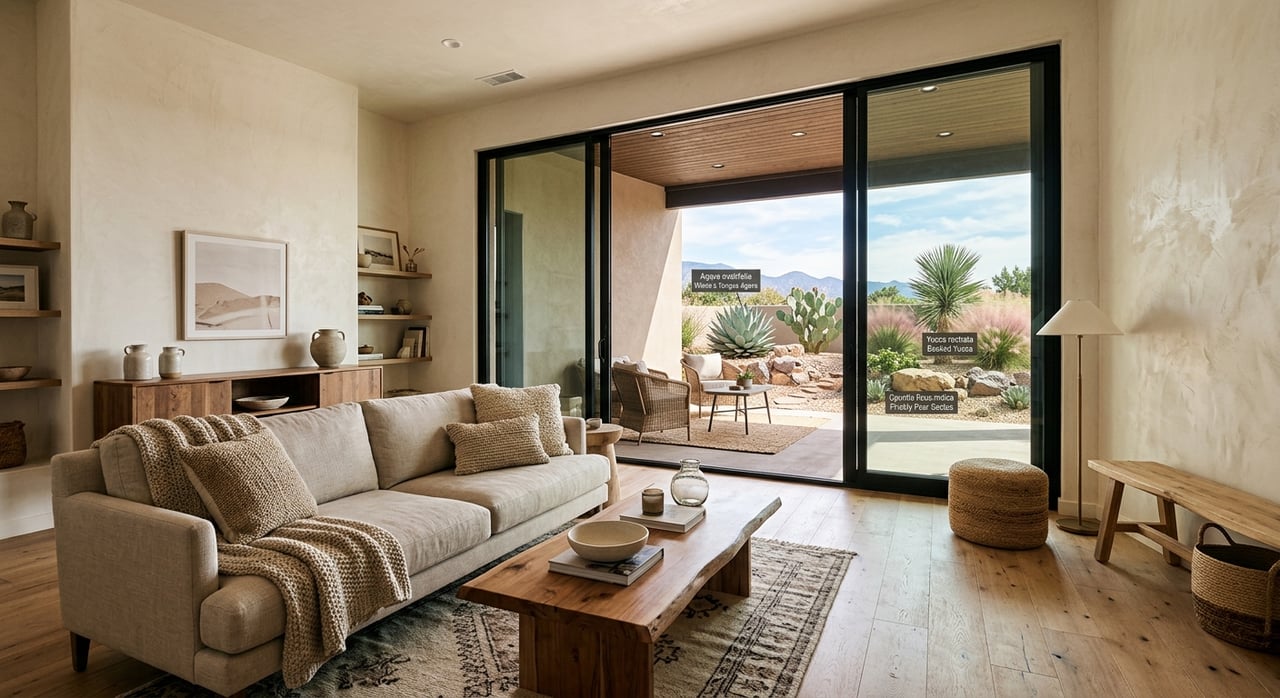
If you want your Green Valley home to stand out, staging can do more than make it look nice. It can help buyers understand how the home lives day to day, from the flow of the main living area to the comfort of the patio and the storage that keeps things simple. In a community with a wide mix of home styles and many owner-occupied properties, thoughtful staging helps your home feel bright, functional, and easy to enjoy. Let’s dive in.
Why staging matters in Green Valley
Staging helps buyers picture themselves in a home, and that matters when they are comparing several options online and in person. According to the National Association of Realtors 2025 Profile of Home Staging, 83% of buyers’ agents said staging made it easier for buyers to imagine a property as their future home.
That same report found that 73% of buyers’ agents said photos were much more or more important to clients. It also found that 30% of sellers’ agents saw slight decreases in time on market when homes were staged, and 17% said staging increased the dollar value offered by 1% to 5%. In short, staging supports both presentation and momentum.
Green Valley has its own rhythm and housing mix. Green Valley Recreation notes that the area includes more than 130 HOAs and a range of homes from one-bedroom villas to larger properties, which makes it especially important to show layout, ease of movement, and practical use of space.
Focus on easy living
In Green Valley, staging works best when it highlights comfort and simplicity instead of heavy decoration. Many buyers are looking for homes that feel easy to maintain, easy to move through, and ready for everyday living.
That means your goal is not to fill every corner. Your goal is to help buyers quickly understand where they will relax, dine, work on hobbies, and enjoy the outdoor spaces that are part of the local lifestyle.
Clear out visual clutter
The NAR field guide to preparing and staging a house for sale defines staging as cleaning, decluttering, repairing, depersonalizing, and updating a home so buyers can imagine themselves in it. In practical terms, that starts with removing extra furniture, clearing counters, and taking down highly personal items.
If a room feels crowded, buyers may focus on what does not fit instead of what the room offers. A more open setup helps them see scale, storage, and circulation, which is especially important in villas, townhomes, and smaller floor plans.
Keep decor neutral and simple
Neutral colors and streamlined decor tend to photograph well and feel calm in person. You do not need to redesign your house. Instead, think about light bedding, simple towels, a few coordinated accents, and surfaces that look clean and usable.
This approach also makes it easier for buyers to connect with the home. They can picture their own belongings in the space without having to look past bold colors, too many collectibles, or oversized furniture.
Prioritize the rooms buyers notice first
Not every room needs the same level of attention. The NAR 2025 staging report found that the living room, primary bedroom, and kitchen are the most important rooms to stage.
That gives you a smart place to start if you want the biggest impact without overdoing it. Focus your time and budget where buyers are most likely to form their first impressions.
Stage the living room for conversation
Your living room should feel open, comfortable, and easy to use. Arrange seating to show conversation space and clear walkways. If the room has a view or direct access to a patio, make sure the setup draws attention to that feature.
Avoid extra side tables, stacks of magazines, or too many decorative pieces. A simpler arrangement helps buyers read the size of the room and imagine quiet mornings, visiting friends, or relaxed evenings at home.
Make the primary bedroom restful
The primary bedroom should feel calm and spacious. Make the bed neatly, reduce furniture if the room feels tight, and clear off dressers and nightstands so the space reads as restful instead of busy.
Soft, neutral bedding and a few clean lines usually work better than bold patterns. Buyers should walk in and immediately feel that the room is comfortable and easy to settle into.
Show the kitchen as clean and practical
Kitchens do not need a lot of styling to shine. They need clean counters, open workspace, and good light. Remove rarely used small appliances, organize visible shelving, and keep the dining area simple and inviting.
If there is a breakfast nook or dining space nearby, stage it to show how the home supports everyday meals and casual gatherings. Function matters just as much as appearance here.
Use light to make rooms feel larger
Natural light is one of the easiest ways to improve how your home feels and photographs. NAR’s quick staging advice recommends opening window treatments wide and turning on lights where natural light does not reach.
In Green Valley, bright interiors often help a home feel more open and airy. This can be especially valuable in compact layouts or rooms with deeper wall colors, heavier furniture, or limited windows.
Open blinds and curtains fully
Before showings and photos, open window coverings as much as possible. Clean windows also help more light come through and make the home feel fresh.
If a room gets its best light at a certain time of day, plan photography and showings with that in mind when possible. Light can change how spacious a room feels in photos.
Turn on lamps and overhead lighting
Do not rely on daylight alone. Turn on interior lights in darker corners, hallways, bathrooms, and kitchens so the home feels consistently bright.
A well-lit home looks more welcoming online and in person. Since buyers often begin with listing photos, this small step can have an outsized effect.
Stage patios and porches as living space
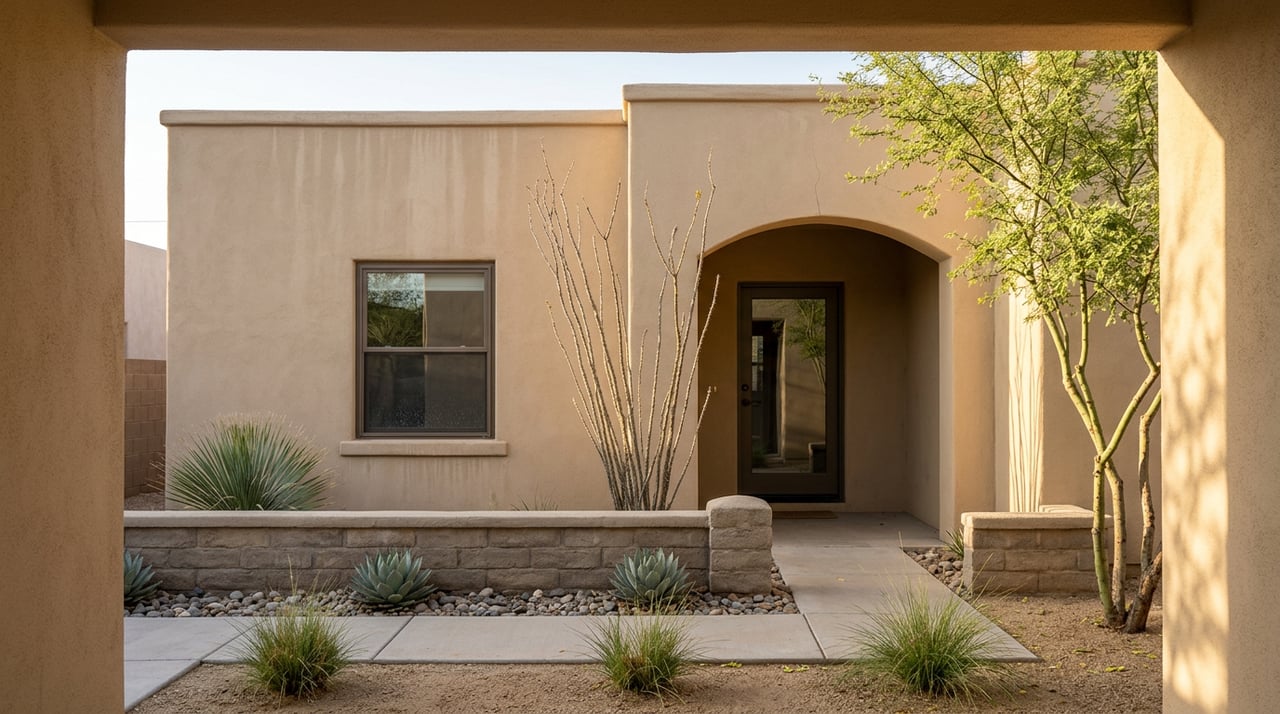
Outdoor areas deserve real attention in Green Valley. Redfin’s Green Valley home trends page highlights features such as front porch, community amenities, open concept living, fitness center, and golf-course settings among top-value features in the area.
That means your porch, patio, courtyard, or backyard should not feel like leftover space. It should feel like part of the home’s daily living area.
Create a simple outdoor setup
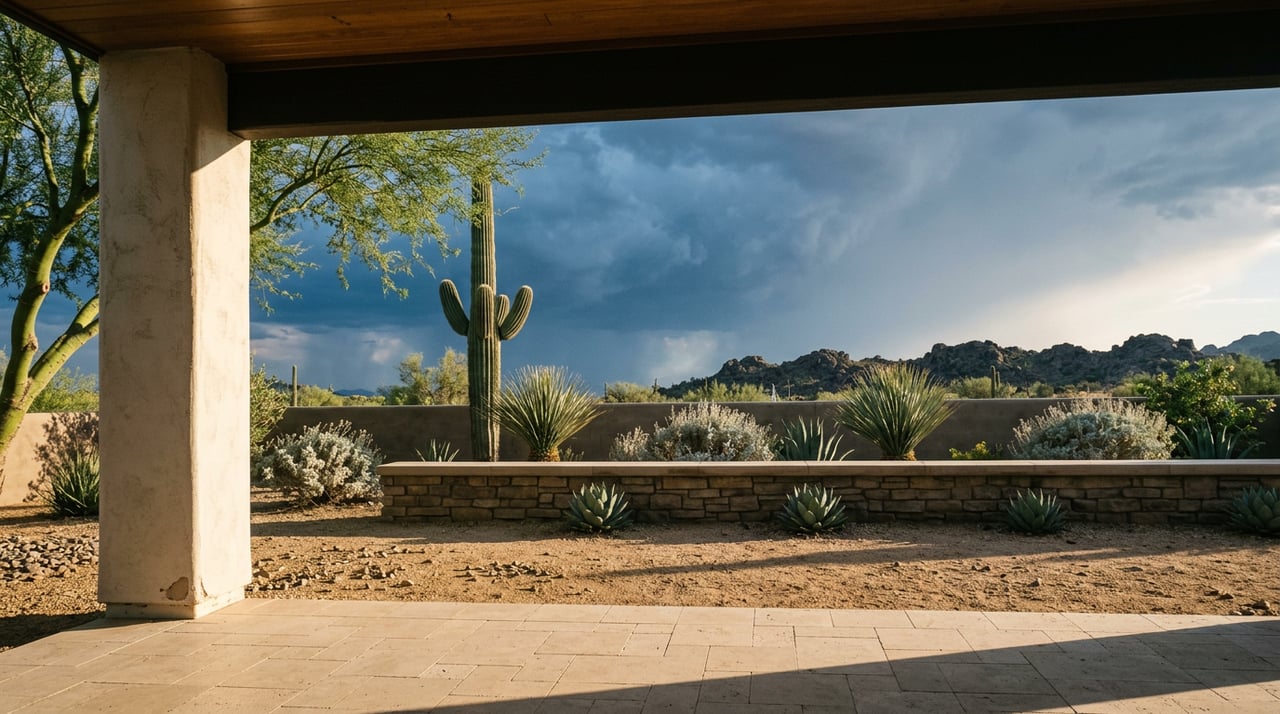
According to Realtor.com’s outdoor staging guidance, outdoor spaces should be staged with tidy landscaping, clean hardscape, and furniture that shows how the area can be used. A small seating group, clean cushions, and a swept patio can go a long way.
You do not need a large budget to make this work. Even a bistro set or two chairs with a small table can help buyers picture coffee in the morning or time outside in mild weather.
Clean up every exterior detail
Outdoor clutter stands out fast in listing photos. Remove unused planters, worn mats, garden tools, and anything that blocks walkways or makes the area feel neglected.
Also look for peeling paint, dirty walkways, and cracked surfaces that distract from the home. The goal is to help buyers see outdoor enjoyment, not outdoor chores.
Treat photos as part of staging
Staging is not finished when the house looks good in person. It also needs to look compelling online, because photos are often the first showing.
The NAR staging report and Realtor.com’s photo guidance both support the importance of strong listing images. For Green Valley homes, that means your photo plan should include more than the basic room count.
Highlight the spaces that tell the story
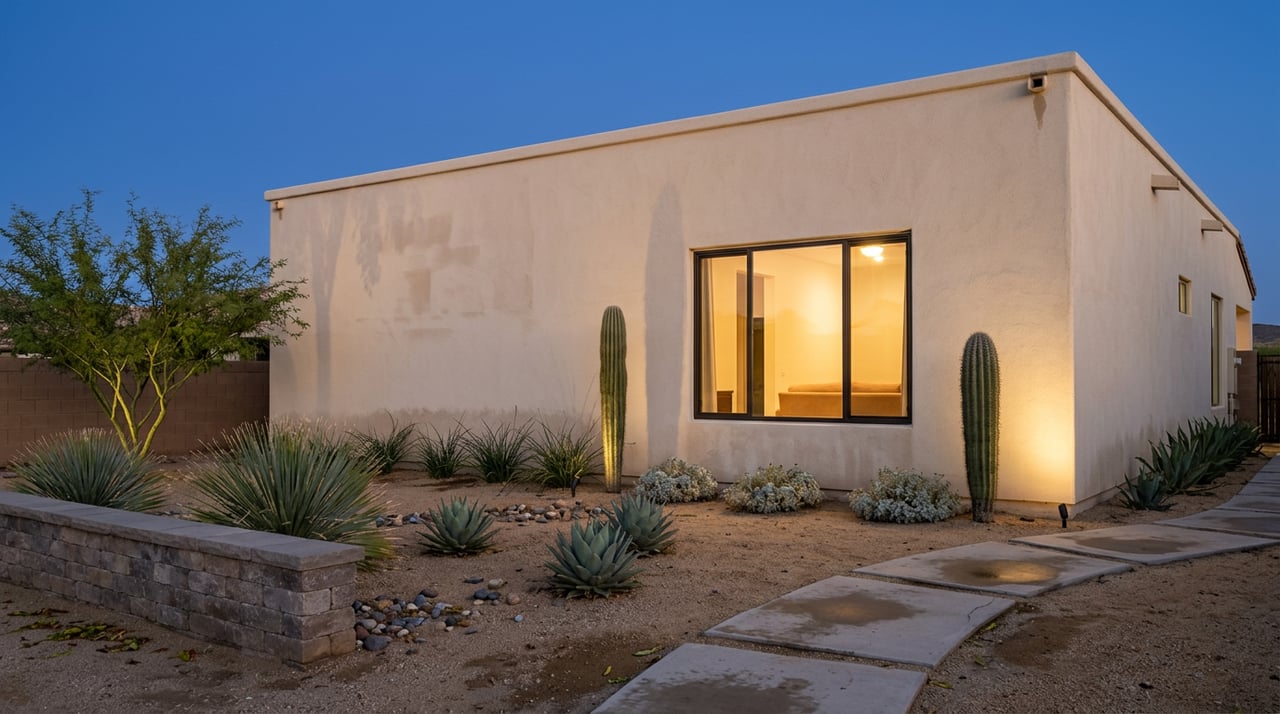
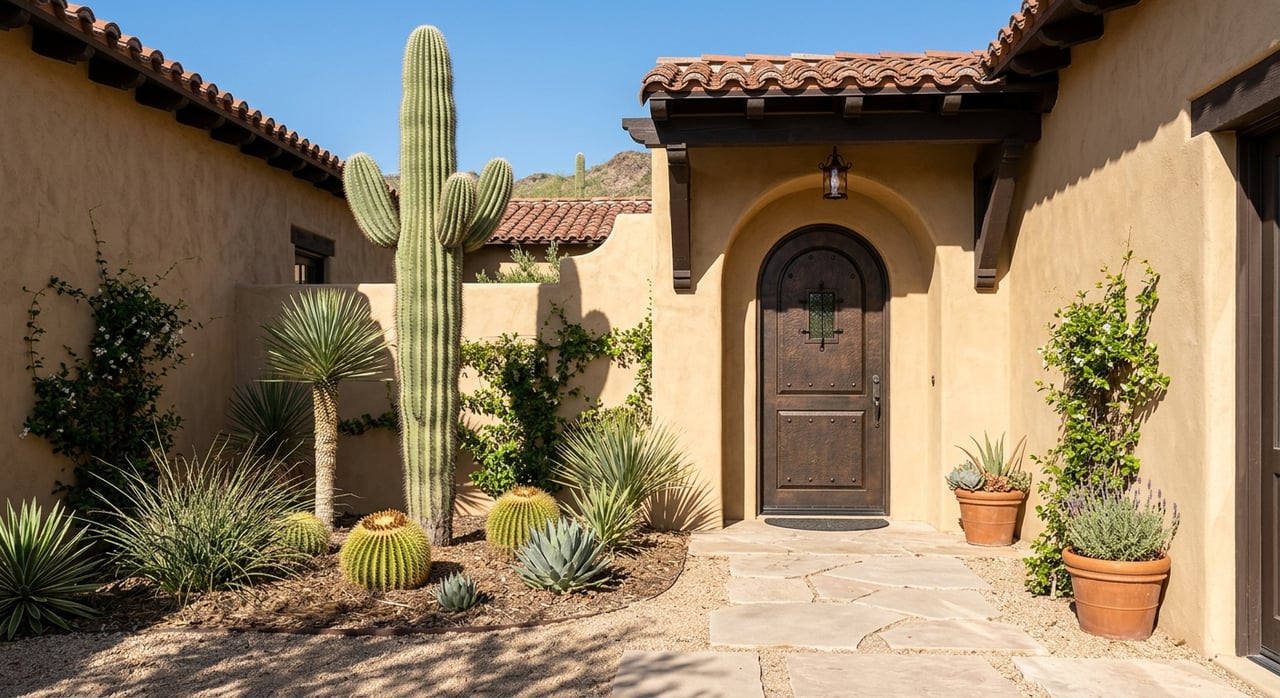
Make sure the shot list includes the front exterior, main living room, kitchen, primary bedroom, and outdoor areas such as the front patio, backyard, or deck. If your home has a courtyard or a connection between indoor and outdoor spaces, that deserves attention too.
This is especially important in a market where lifestyle features help homes stand out. Visit Tucson’s Green Valley overview points to recreation, golf, and outdoor living as part of the area’s identity, so your presentation should support that story.
Prep for the photo day
Before the photographer arrives, open blinds, turn on lights, make beds, clear counters, move cars, and clean outdoor furniture. These small steps help photos look polished and consistent.
If the home is vacant or nearly empty, the NAR field guide notes that virtual staging can be useful, especially when sellers have already moved or started downsizing. That can help buyers understand scale and function without misleading them about the space.
A simple staging checklist
If you want a practical starting point, focus on these steps first:
- Declutter every visible surface
- Remove highly personal items
- Open blinds and curtains
- Turn on all key lights
- Make the living room feel open and conversational
- Simplify the primary bedroom
- Clear kitchen counters and organize the dining area
- Sweep and stage the patio or porch
- Clean exterior walkways and entry areas
- Prep the home specifically for photography, not just showings
Staging that helps your home compete
The best staging in Green Valley is not about chasing design trends. It is about helping buyers see a home that feels bright, functional, and easy to enjoy from day one.
When you lead with decluttering, light, the most important rooms, and usable outdoor space, your home has a better chance to stand out both online and in person. If you are thinking about selling and want expert guidance on staging, pricing, and presentation, connect with Iris Pasos for trusted local support.
FAQs
What staging tips matter most for selling a home in Green Valley?
- Focus first on decluttering, brightening the home, simplifying the living room, primary bedroom, and kitchen, and staging patios or porches as useful living space.
Why is outdoor staging important for Green Valley homes?
- Outdoor areas help support the local lifestyle story, and features like front porches, patios, and golf-oriented settings can add appeal when they are clean, furnished, and clearly usable.
Do listing photos really affect buyer interest in Green Valley?
- Yes. NAR’s 2025 staging report found that buyers’ agents consider photos highly important, so strong images of key rooms and outdoor spaces can help your home attract more attention.
Can virtual staging help if a Green Valley home is vacant?
- Yes. NAR notes that virtual staging can be useful for vacant or nearly empty homes, especially when it helps buyers understand layout and function.
Which rooms should you stage first before listing a Green Valley home?
- Start with the living room, primary bedroom, and kitchen, since NAR reports these are the rooms buyers respond to most when viewing a staged home.